
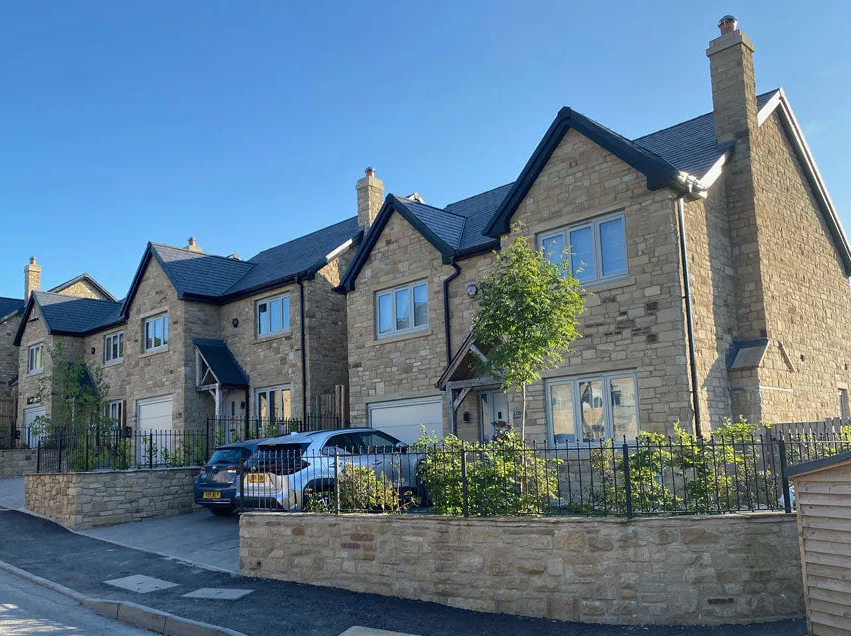

Understanding the Real Cost of Stone Cladding in the UK
Stone cladding continues to grow in popularity across the UK, offering a distinctive combination of natural texture, durability, and architectural impact. Whether used to enhance a garden wall, create a striking interior feature, or define the exterior of a property, it delivers a finish that feels both premium and enduring.
However, one of the most common questions at the outset of any project remains the same: how much does stone cladding actually cost?
The answer depends on several interrelated factors, including the type of stone, the format in which it is supplied, and the complexity of installation. While broad industry estimates can provide a starting point, a more accurate understanding comes from looking at real product pricing and how that translates into completed projects. Drawing on current supply ranges from Britannia Stone Company, this guide explores what you can realistically expect to invest when specifying stone cladding in the UK.
Material Costs: What You Can Expect to Pay
Stone cladding materials vary widely in price, but within the current BSC range, most projects sit within a clearly defined bracket depending on the style and origin of the stone.
For example, contemporary options such as blue quartzite stone cladding are typically available at around £75 per square metre. These materials are often supplied in panelised formats, including Z-panel systems, which are designed to streamline installation while maintaining a natural split-face appearance. This type of product is commonly used for both interior and exterior applications where a clean, modern finish is required.
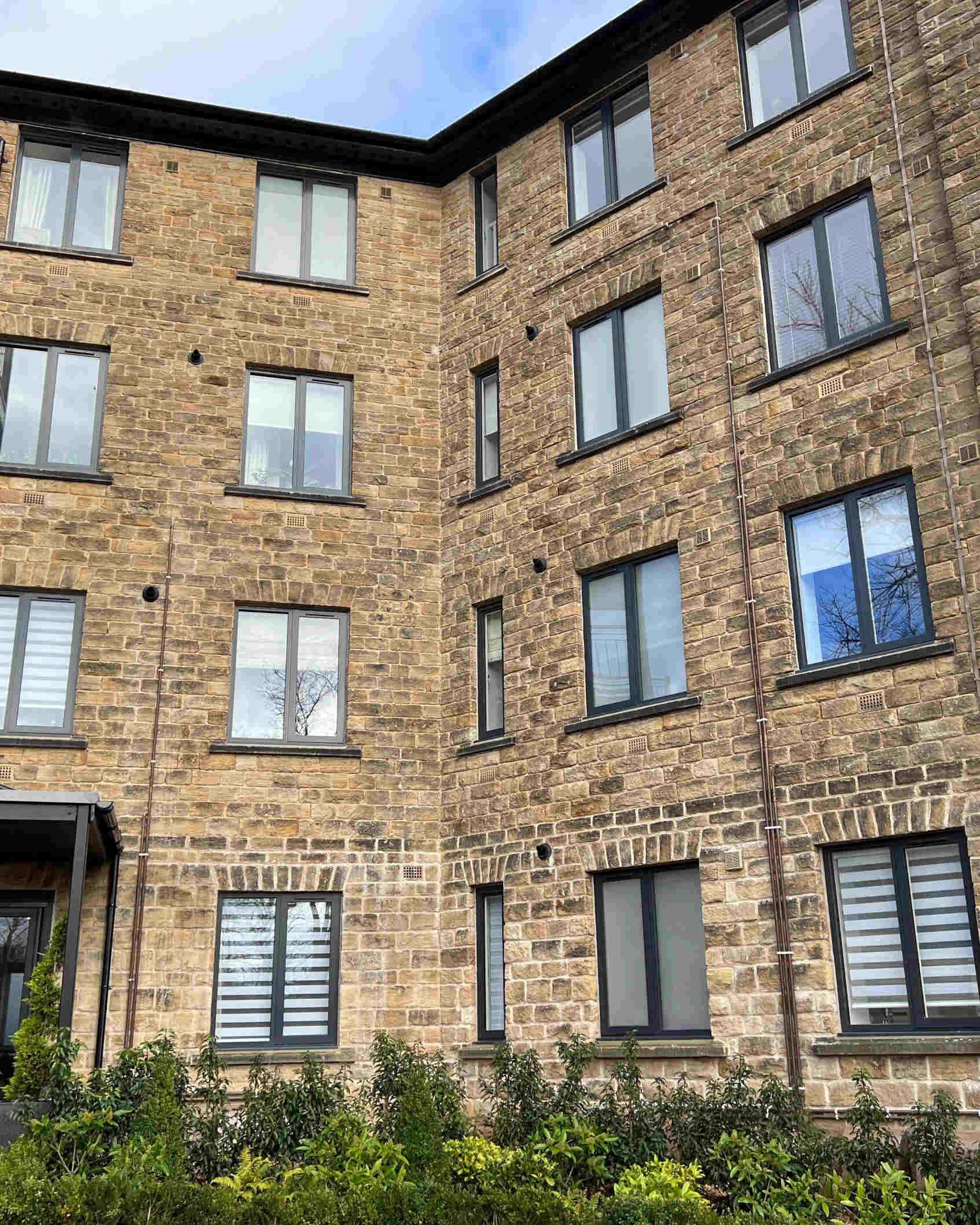
At the upper end of the spectrum, reclaimed materials such as farmhouse stone cladding tend to sit closer to £100 per square metre and above. These products are valued not only for their durability but for their authenticity, offering variation, weathering, and character that cannot be replicated by newly quarried stone. As a result, they are often specified for heritage-style projects or where a more traditional aesthetic is desired.
Between these two points sits a broader range of natural stone cladding options, with pricing influenced by factors such as stone type, finish, and availability. While each product has its own characteristics, this £75–£100+ range provides a realistic baseline for many BSC projects.
For a full overview of available materials, you can explore our stone cladding range to compare finishes and pricing options.
Installation Costs and Their Impact on the Overall Budget
While material pricing is a key consideration, it is only one part of the overall cost. Installation plays a significant role in determining the final investment, and in many cases, it can match or exceed the cost of the stone itself.
Stone cladding requires careful preparation and application. Even with panelised systems designed to improve efficiency, the process still demands a level of skill and precision to ensure a consistent finish and long-term durability. Substrate preparation is often the first variable, as surfaces must be stable, level, and suitable for bonding. Where additional preparation is required, this can increase both time and labour costs.
External applications introduce further considerations. Weatherproofing, insulation layers, and mechanical fixing systems may all be necessary depending on the build specification. Access is another important factor, particularly on larger projects or multi-storey properties where scaffolding is required.
As a result, installation costs across the UK typically fall within a broad range, and it is not uncommon for the combined cost of supply and fit to move well beyond the initial material price per square metre. Understanding this relationship early in the planning stage is essential to avoid underestimating the total budget.
How Stone Type and Format Influence Cost
Not all stone cladding systems are installed in the same way, and the format in which the stone is supplied can have a noticeable effect on both material and labour costs.
Panel systems, such as Z-panels, are designed to interlock and reduce installation time. This can help control labour costs while still delivering a natural stone appearance. These systems are particularly popular for feature walls and straightforward external applications where efficiency is important.
In contrast, individually laid stone pieces or reclaimed materials often require more time on site. Each piece may need to be selected, positioned, and adjusted by hand, which increases labour input but results in a more bespoke and traditional finish. This is one of the reasons why reclaimed stone typically commands a higher overall project cost, even when the material price alone does not appear significantly different.
The choice between these formats ultimately depends on the desired aesthetic, the scale of the project, and the available budget.
If you’re still deciding on aesthetics, our guide on which stone cladding style is best for your home can help refine your choice.
Project Scale and Its Effect on Pricing
The size and scope of a project also play a defining role in overall cost. Smaller installations, such as interior feature walls or fireplace surrounds, allow for tighter control over both material usage and labour time. These projects often provide a high visual impact relative to their cost, making them a popular entry point for homeowners exploring stone cladding.
Larger applications, including full exterior façades or extensive garden walls, involve a different level of planning. While material costs may benefit from volume efficiencies, installation becomes more complex, and logistical considerations such as access, delivery, and sequencing come into play.
For developers and specifiers, these larger projects often require a more detailed cost breakdown at an early stage, ensuring that the chosen stone aligns with both design intent and budget constraints.

Balancing Cost with Long-Term Value
Stone cladding is often compared with alternative finishes such as render, timber, or brick slips, particularly when assessing upfront cost. While these alternatives may offer lower initial pricing, they do not always deliver the same long-term performance.
Natural stone is inherently durable, resistant to weathering, and capable of maintaining its appearance over time with minimal maintenance. Unlike painted or coated surfaces, it does not require regular reapplication, and its visual character often improves as it ages.
This longevity is a key factor in the overall value of stone cladding. While the initial investment may be higher, the reduced maintenance requirements and lasting aesthetic appeal can make it a more cost-effective solution over the life of the building.
Choosing the Right Option for Your Project
Selecting the right stone cladding is not simply a matter of choosing the lowest price per square metre. It involves balancing material characteristics, installation requirements, and the intended use of the space.
Exploring a dedicated stone cladding collection allows for a clearer understanding of how different products sit within the overall pricing structure. From contemporary quartzite panels to reclaimed farmhouse stone, each option offers its own combination of cost, appearance, and application suitability.
Working with a specialist supplier such as Britannia Stone Company ensures that these factors are considered together, helping to achieve a result that is both visually effective and commercially realistic.
For a broader understanding of materials, applications, and design considerations, see our complete guide to stone cladding.
Final Thoughts
The cost of stone cladding in the UK is shaped by more than just the price of the material itself. Installation, project scale, and specification choices all contribute to the final figure, and understanding how these elements interact is essential when planning any project.
With material pricing typically starting around £75 per square metre for contemporary options and rising to £100 or more for reclaimed stone, stone cladding sits firmly within the premium finish category. However, when viewed in the context of durability, longevity, and overall visual impact, it represents an investment that continues to deliver value over time.
Approached with the right level of planning and supported by expert guidance, stone cladding offers a solution that is both practical and architecturally distinctive, making it a compelling choice for projects across the UK.
(BSC-B-044)
