
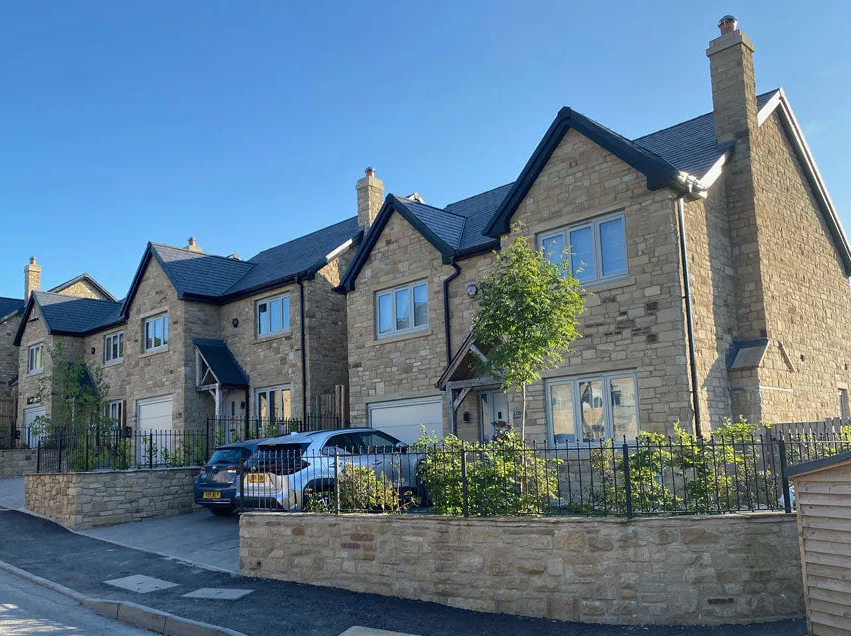

Exploring Stone Cladding Ideas for Modern and Traditional UK Projects
Stone cladding has become one of the most effective ways to introduce texture, depth, and architectural character into a space. Whether used internally or externally, it offers a finish that feels both natural and enduring, capable of transforming otherwise flat surfaces into visually engaging features.
Across the UK, the use of stone cladding continues to evolve. It is no longer limited to traditional builds or rural settings but is increasingly specified in contemporary homes, urban developments, and landscaped garden spaces. The versatility of the material allows it to work across a wide range of styles, from clean, modern interiors to more rustic and heritage-led designs.
Drawing on project experience and material insight from Britannia Stone Company, this guide explores a selection of stone cladding ideas to help inform your next project.
Exterior Stone Cladding: Creating Impact and Kerb Appeal
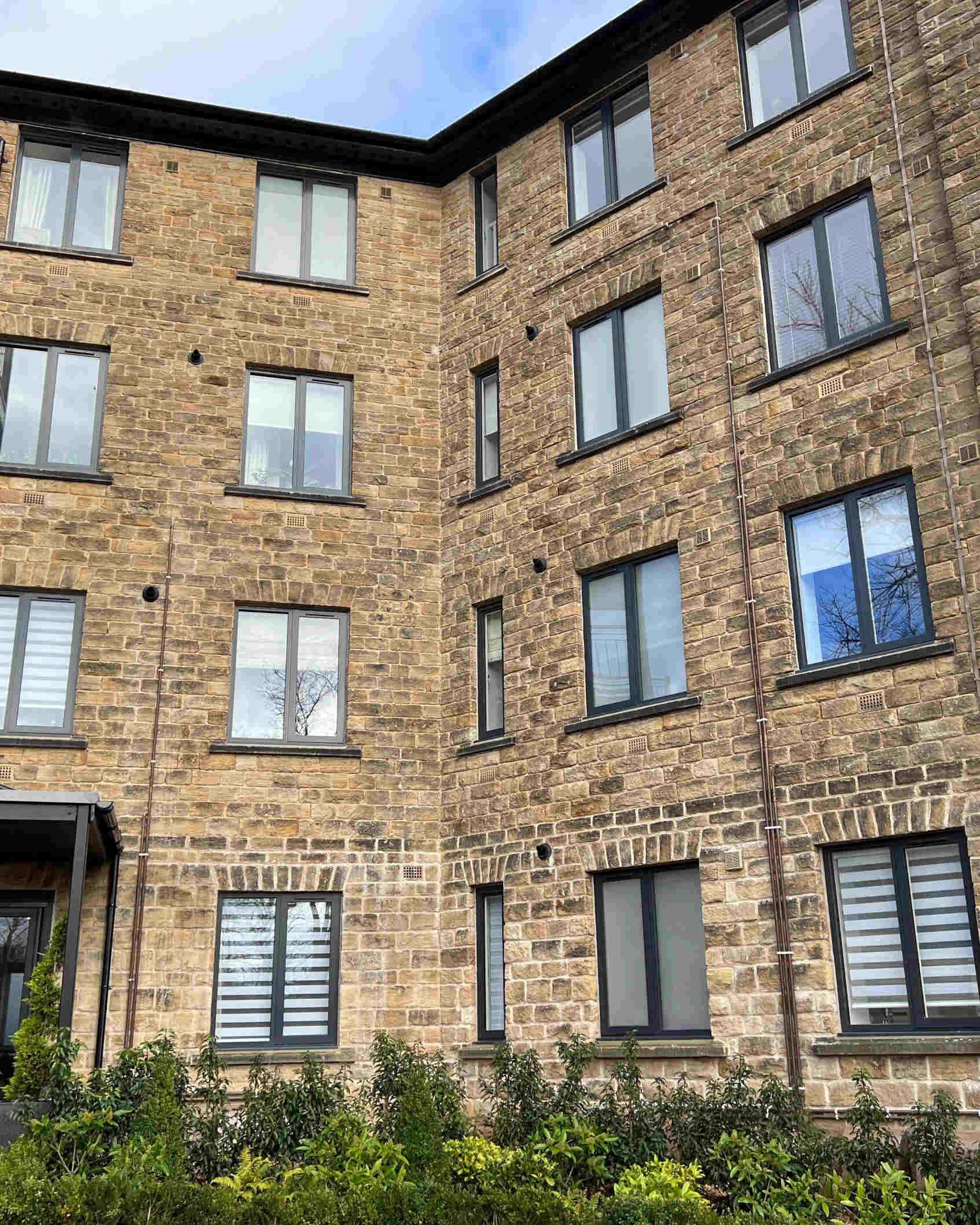
One of the most common and effective uses of stone cladding is across external walls. Whether applied to a full property façade or used to define a specific section of a building, it introduces an immediate sense of quality and permanence.
In modern homes, stone cladding is often paired with materials such as glass, steel, or timber to create contrast. Clean-lined quartzite panels, for example, can be used to frame entrances or break up rendered surfaces, adding texture without overwhelming the overall design.
For more traditional properties, reclaimed or sandstone cladding can be used to replicate the appearance of original stone construction. This approach is particularly effective in rural settings or conservation areas, where maintaining a sense of authenticity is important.
Where appropriate, incorporating stone cladding into exterior design not only enhances visual appeal but can also contribute to the perceived value of the property.
Garden Walls and Landscaping: Extending the Design Outdoors
 Stone cladding is not limited to the main structure of a building. It is equally effective when used within garden spaces, where it can help to create continuity between the house and its surroundings.
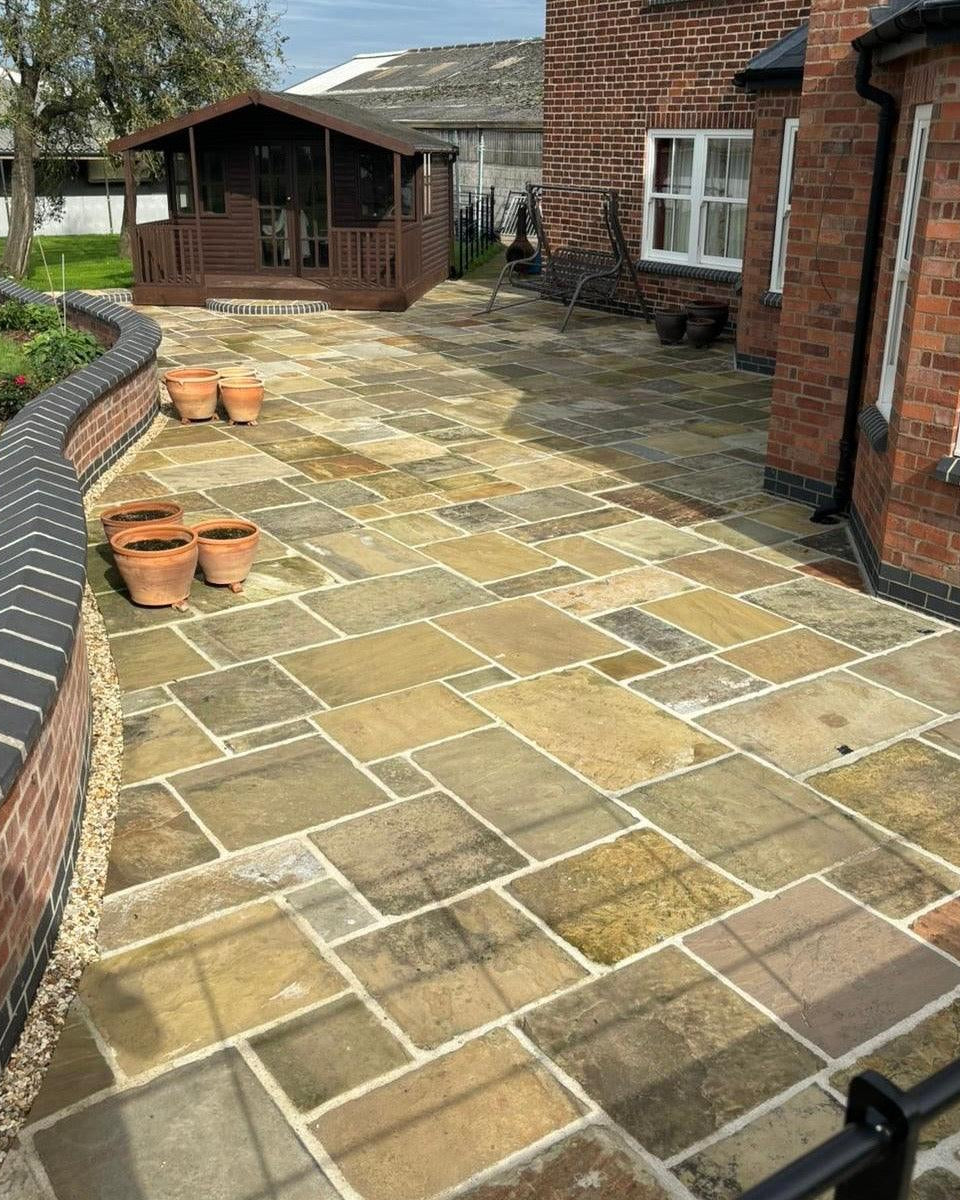
Clad garden walls can act as both functional boundaries and design features, providing a textured backdrop for planting or seating areas. When used alongside natural materials such as paving or timber, stone helps to establish a cohesive and considered outdoor environment.
In larger landscaping projects, stone cladding can be used to unify different elements, from retaining walls to steps and raised beds. Materials such as sandstone are particularly well suited to this application, offering warm tones that complement greenery and natural light.
Interior Feature Walls: Adding Texture and Warmth
Inside the home, stone cladding is often used to create focal points within living spaces. Feature walls in areas such as living rooms, kitchens, or hallways can introduce a sense of depth that painted or plastered surfaces cannot achieve.
In contemporary interiors, darker stone finishes such as quartzite are frequently used to create contrast, particularly when paired with neutral colour schemes. The texture of the stone interacts with lighting throughout the day, adding subtle variation and interest.
In more traditional settings, lighter or reclaimed stone can be used to create a softer, more established look. This is particularly effective in properties where maintaining a sense of heritage is part of the design intent.
Fireplaces and Statement Features
Fireplaces remain one of the most popular applications for stone cladding. Whether in a period property or a modern home, a stone-clad fireplace can serve as a central design feature.
The material’s natural resistance to heat makes it well suited to this purpose, while its texture adds a tactile quality that enhances the overall atmosphere of the room. Both contemporary and traditional stone types can be used effectively, depending on the style of the space.
Beyond fireplaces, stone cladding can also be used to highlight architectural features such as chimney breasts, alcoves, or entrance areas, helping to define key focal points within the layout of the home.
Balancing Modern and Traditional Design
One of the strengths of stone cladding is its ability to sit comfortably within both modern and traditional design schemes. The key lies in selecting the right type of stone and applying it in a way that complements the surrounding materials.
For modern projects, structured panel systems with consistent lines and darker tones tend to work best. These create a clean and deliberate aesthetic that aligns with contemporary architecture.
For more traditional or rustic designs, reclaimed stone or irregular formats introduce variation and character. These materials can soften the overall appearance of a space and create a more organic feel.
Exploring a dedicated stone cladding collection can help clarify which materials align best with your chosen style and how they may be used across different areas of a project.
Bringing Ideas Together in a Cohesive Design
While individual applications of stone cladding can be highly effective, the most successful projects are those where the material is used thoughtfully across multiple elements. This does not necessarily mean using stone everywhere, but rather selecting key areas where it will have the greatest impact.
For example, combining an external feature wall with complementary garden cladding can create a strong visual link between indoor and outdoor spaces. Similarly, carrying a material from an exterior façade into an interior feature wall can help unify the overall design.
Understanding how stone cladding is installed, as well as how it performs in different environments, can also inform these decisions. Our guides on how to install stone cladding and stone cladding costs in the UK provide additional context for planning and budgeting.
Final Thoughts
Stone cladding offers a wide range of possibilities for enhancing both homes and gardens across the UK. From bold exterior statements to subtle interior features, it provides a level of texture and authenticity that is difficult to achieve with other materials.
By exploring different applications and understanding how stone interacts with its surroundings, it becomes possible to create spaces that feel both considered and distinctive. Whether used sparingly as a feature or more extensively as part of a larger design, stone cladding remains a versatile and enduring choice.
With guidance from a specialist supplier such as Britannia Stone Company, these ideas can be translated into practical solutions that deliver both visual impact and long-term performance.
(BSC-B-042)
