
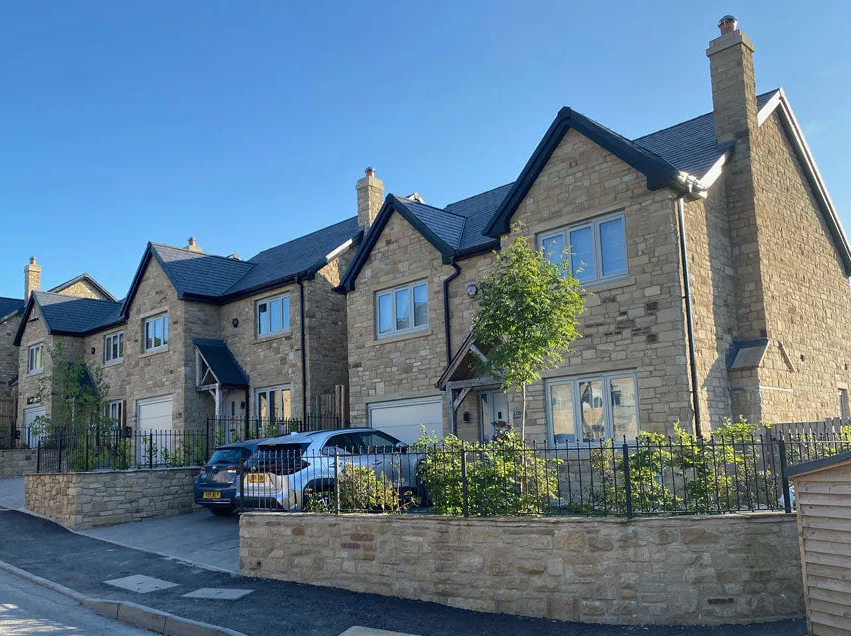

Understanding the Key Differences Between Stone Cladding and Brick Slips.
When planning a wall finish for either an interior or exterior space, two materials frequently come into consideration: stone cladding and brick slips. Both offer a way to introduce texture and character without the need for full-depth masonry, yet they differ significantly in appearance, application, and long-term performance.
For homeowners, developers, and designers alike, choosing between the two is rarely just a matter of cost. It is a decision shaped by the desired aesthetic, the nature of the project, and the overall impression the finished space is intended to create.
Drawing on material expertise from Britannia Stone Company, this guide explores the defining characteristics of each option, helping you determine which is best suited to your project.

The Visual Impact: Natural Variation vs Uniform Finish
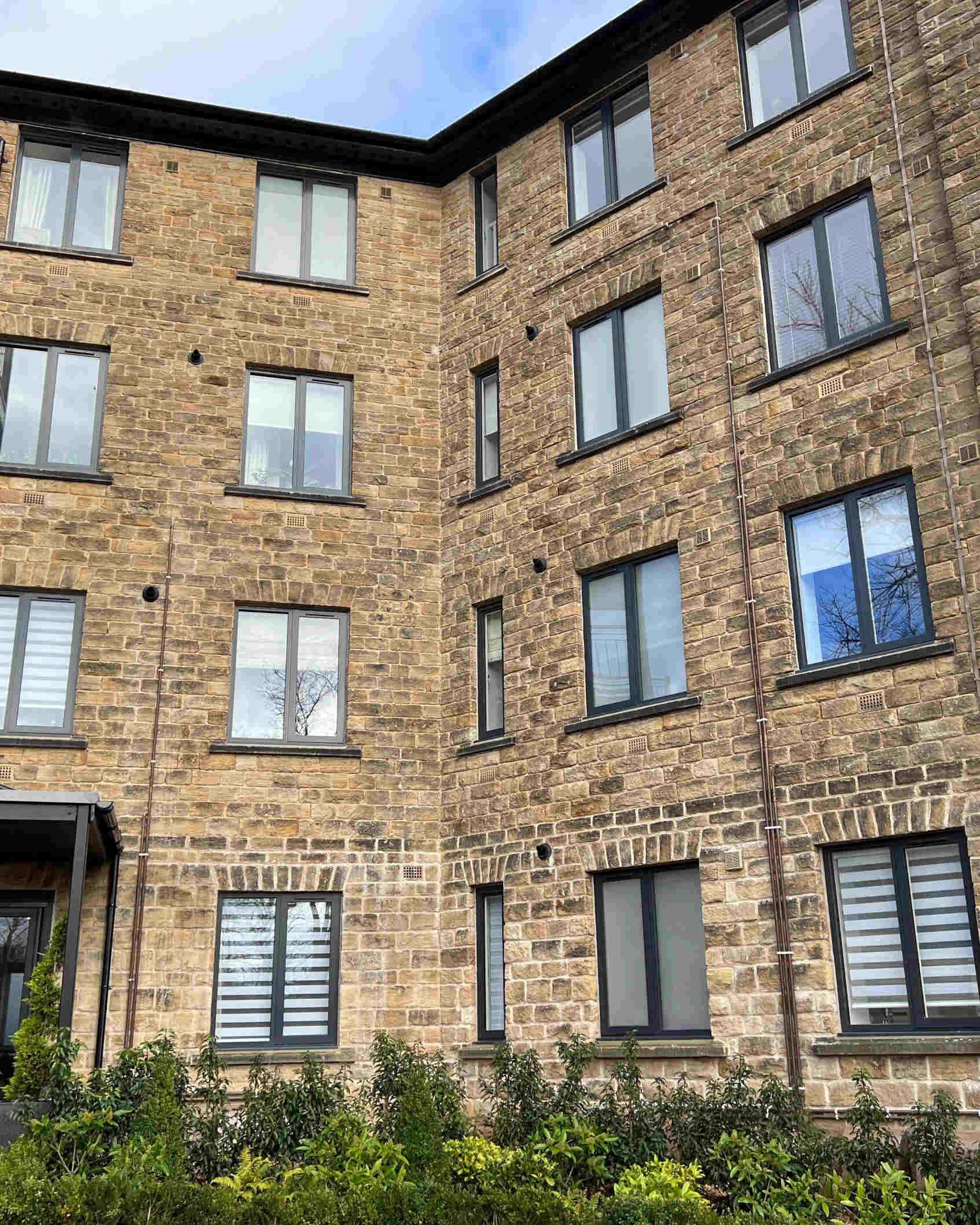
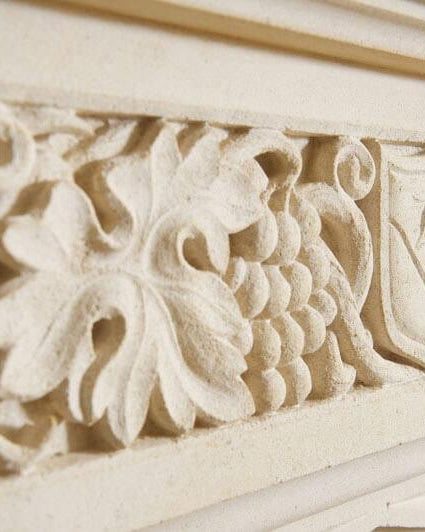
One of the most immediate differences between stone cladding and brick slips lies in their visual character. Natural stone offers a level of variation that is difficult to replicate. Each piece carries subtle differences in tone, texture, and shape, creating a finish that feels organic and layered.
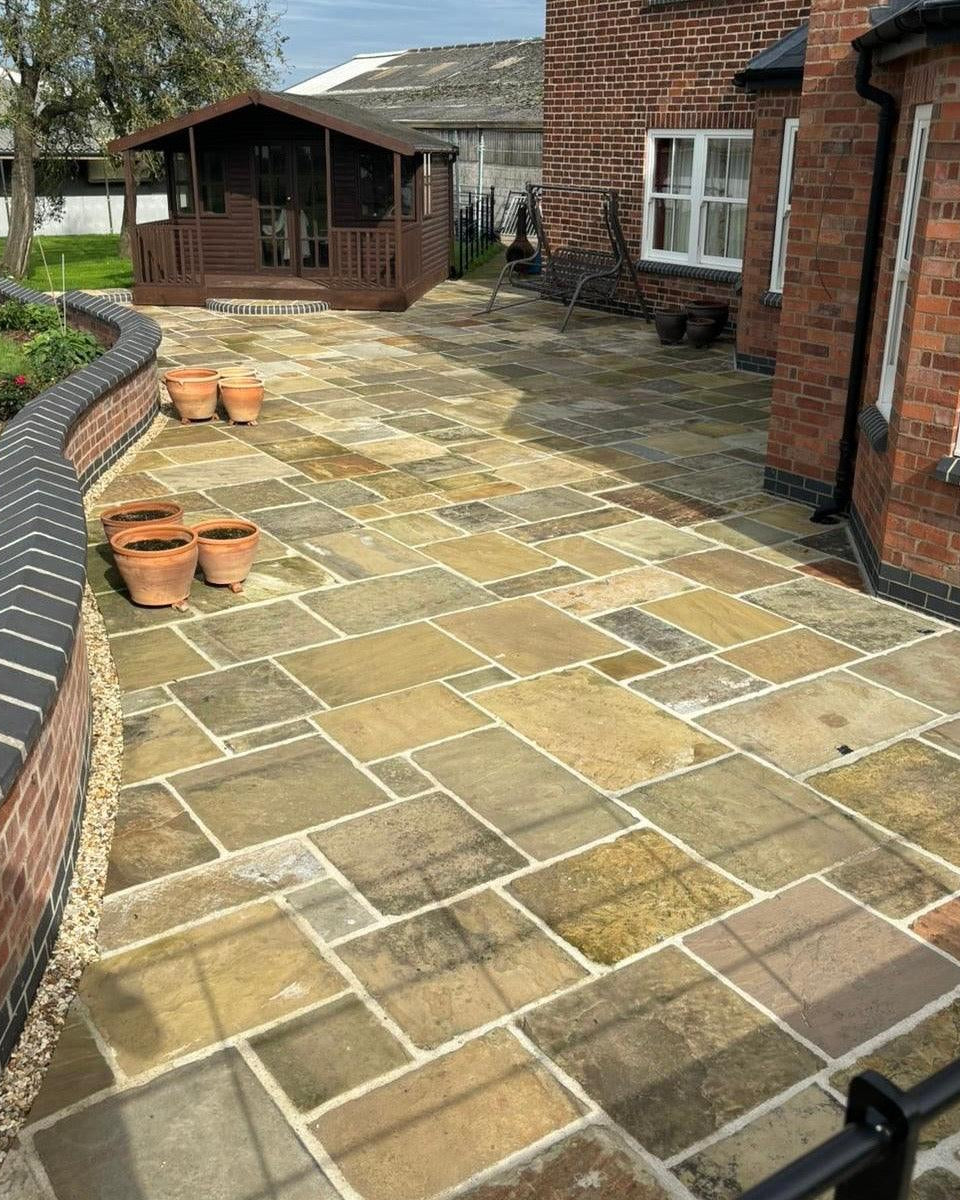
This is particularly evident in products such as quartzite panels or reclaimed farmhouse stone, where the surface reflects the natural formation or history of the material. When used across a feature wall or full façade, this variation introduces depth and a sense of permanence that is often associated with high-end architectural design.
Brick slips, by contrast, deliver a more uniform and structured appearance. Manufactured to replicate traditional brickwork, they provide consistency in size, colour, and layout. This makes them a popular choice for projects where a clean, repeatable pattern is preferred, particularly in contemporary interiors or where a classic brick aesthetic is required.
Application and Installation Considerations
While both materials are designed to be applied as surface finishes, the way they are installed differs in practice. Stone cladding is often supplied in panelised formats or as individual pieces, depending on the style. Panel systems can streamline installation, while hand-laid stone introduces a more bespoke finish but requires additional time and skill.
The installation process itself is explored in more detail in our guide on how to install stone cladding, but it is worth noting that stone typically demands careful surface preparation and precise alignment to achieve a consistent result. External applications may also involve additional considerations such as mechanical fixing systems or moisture management.
Brick slips are generally quicker to install due to their regular shape and predictable layout. They are fixed using adhesive and finished with mortar joints, closely replicating traditional brickwork. This can make them a more straightforward option for certain projects, particularly where time and labour efficiency are key factors.
Cost and Project Budget
Cost is often a deciding factor, although it should be considered alongside overall value rather than in isolation. Stone cladding is typically positioned as a premium material, with pricing reflecting both the quality of the stone and the level of detail involved in installation.
As outlined in our guide on stone cladding costs in the UK, material prices can vary depending on the type of stone, with contemporary options such as quartzite sitting at one end of the spectrum and reclaimed materials at the other. Installation costs also play a significant role, particularly for larger or more complex projects.
Brick slips are generally more cost-effective in terms of both materials and installation. Their uniformity and ease of application can reduce labour time, making them an attractive option for projects with tighter budgets. However, this lower upfront cost may come with trade-offs in terms of long-term visual impact and material authenticity.
Durability and Long-Term Performance
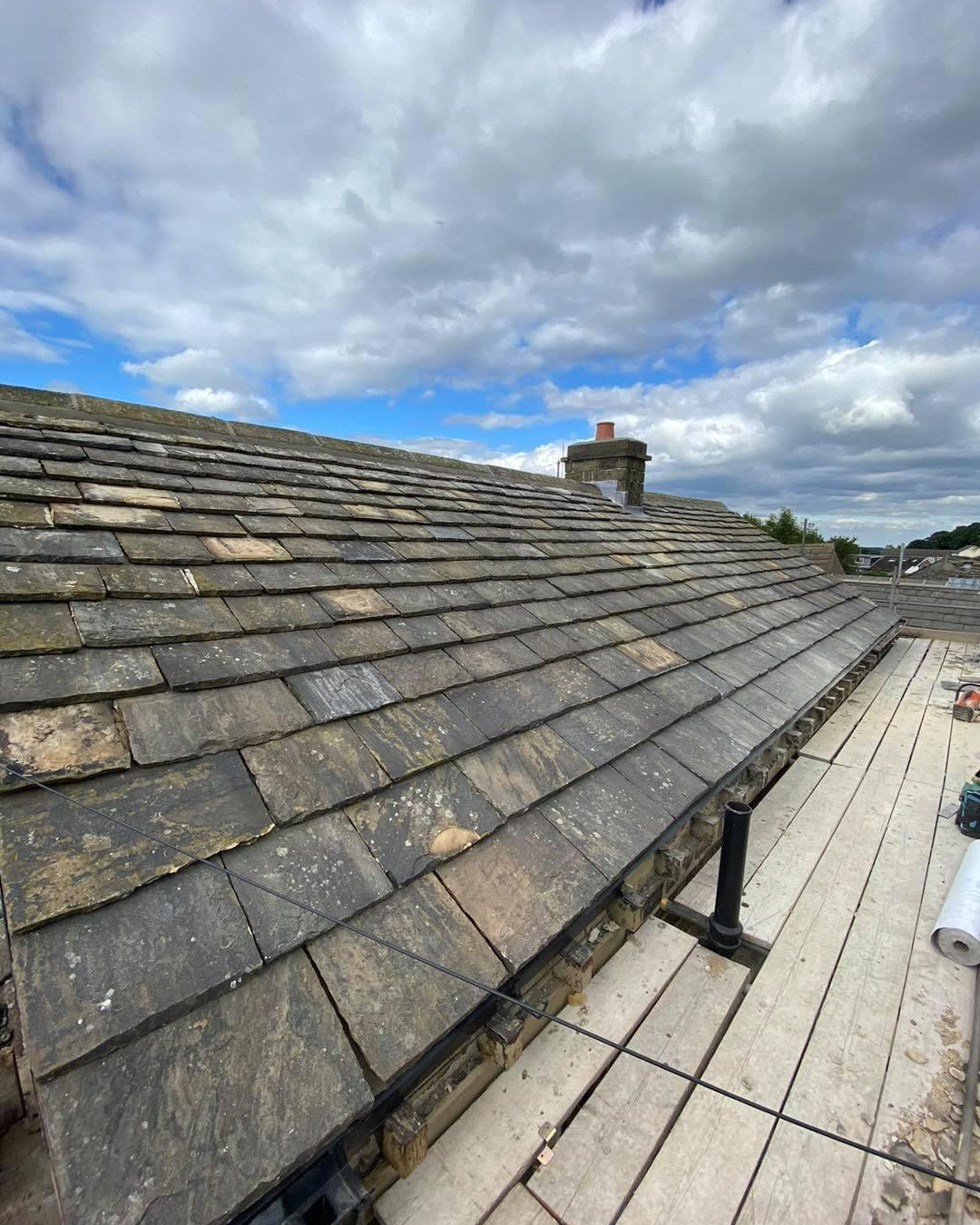
Natural stone has been used in construction for centuries, and its durability is one of its defining qualities. When installed correctly, stone cladding can withstand exposure to the elements with minimal maintenance, making it particularly well suited to external applications.
Over time, stone tends to age in a way that enhances its appearance, developing subtle variations that contribute to its character. This makes it a strong choice for projects where longevity and visual depth are priorities.
Brick slips also offer good durability, particularly in interior settings. However, as a thinner, manufactured product, they do not always provide the same sense of permanence as natural stone. Their performance will depend on the quality of installation and the conditions in which they are used.
Choosing the Right Material for Your Project
Selecting between stone cladding and brick slips ultimately comes down to the role the material is expected to play within the design.
Stone cladding is often chosen where the aim is to create a feature that feels substantial, natural, and architecturally significant. It is particularly effective for exterior walls, garden structures, and interior spaces where texture and depth are central to the design.
Brick slips are more commonly used where a traditional brick appearance is desired without the need for full brick construction. They can work well in kitchens, commercial interiors, or projects where a consistent and recognisable finish is required.
For those exploring natural stone options, viewing a dedicated stone cladding collection can help clarify how different materials sit within this spectrum and which may be best suited to the intended application.
Considering Both Options in a Wider Project Context
In some cases, the decision is not strictly one or the other. Larger projects may incorporate both materials in different areas, using stone cladding for feature elements and brick slips for complementary surfaces. This approach allows for a balance between visual impact and practicality, particularly in mixed-use or multi-phase developments.
For projects where brick slips are being considered alongside stone, you can also explore the brick slip range at Reclaimed Brick Company to understand how the two materials compare in real-world applications.
Final Thoughts
Stone cladding and brick slips each offer distinct advantages, and the right choice depends on the priorities of the project. Where authenticity, variation, and long-term presence are key, natural stone provides a solution that stands apart. Where uniformity and efficiency are more important, brick slips can offer a practical alternative.
By understanding the differences in appearance, installation, and performance, it becomes easier to make a decision that aligns with both design intent and budget. With the right material and a considered approach to installation, both options can deliver strong results, but for projects seeking a truly natural and enduring finish, stone cladding remains the benchmark.
(BSC-B-046)
