

Understanding the Differences Between Stone Cladding and Render
When selecting a finish for an exterior wall, the choice often comes down to two widely used options in the UK: stone cladding and render. While both are designed to enhance and protect a building, they offer very different results in terms of appearance, durability, and long-term performance.
For homeowners, developers, and designers, this decision sits at the intersection of aesthetics and practicality. It is not simply about how a property looks on completion, but how that finish will perform over time, how it will age, and how much maintenance it will require. Understanding these factors at the outset allows for a more informed and confident specification.
Drawing on product knowledge and project insight from Britannia Stone Company, this guide explores how stone cladding compares with render and where each option is best suited.
Visual Impact and Architectural Expression
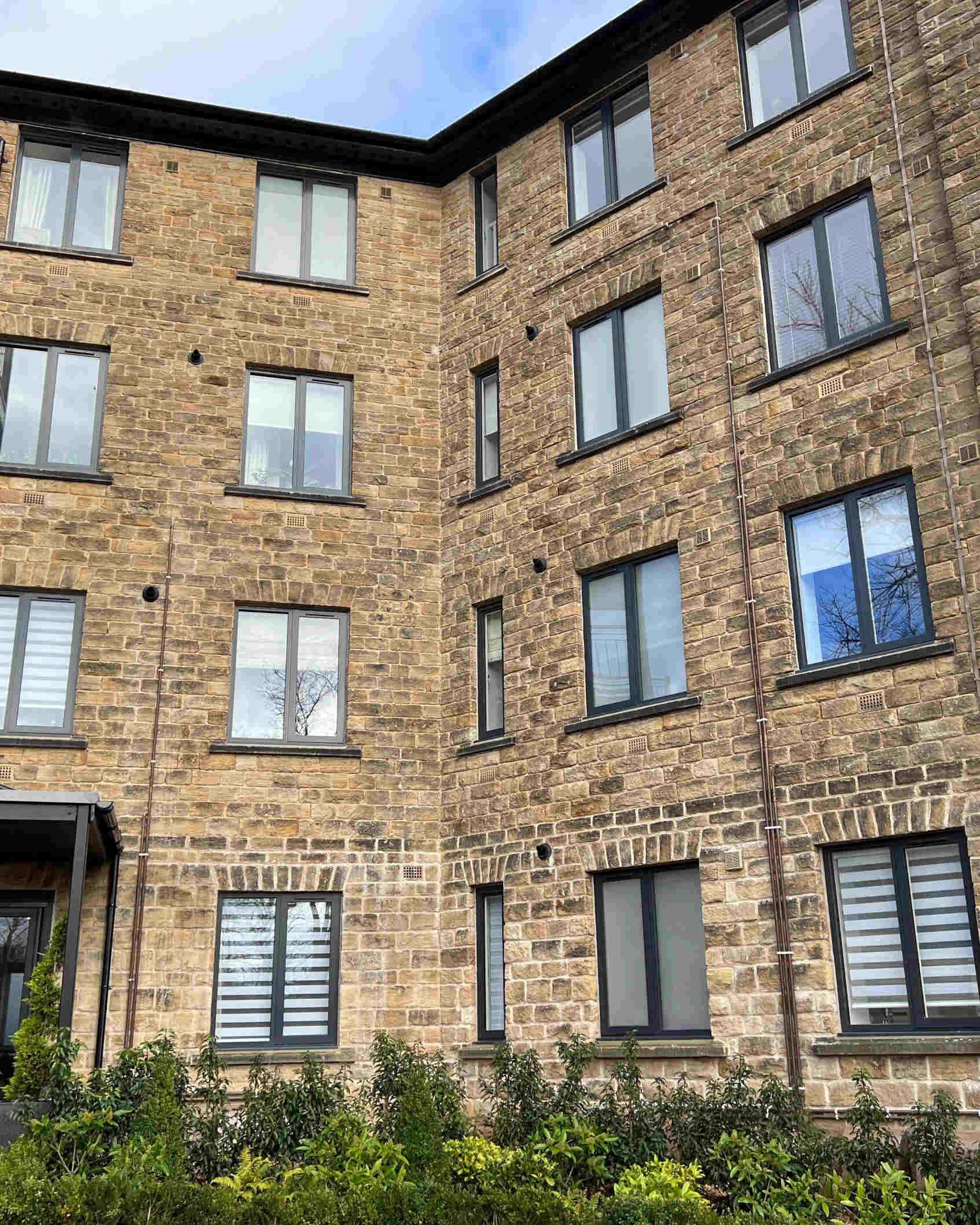
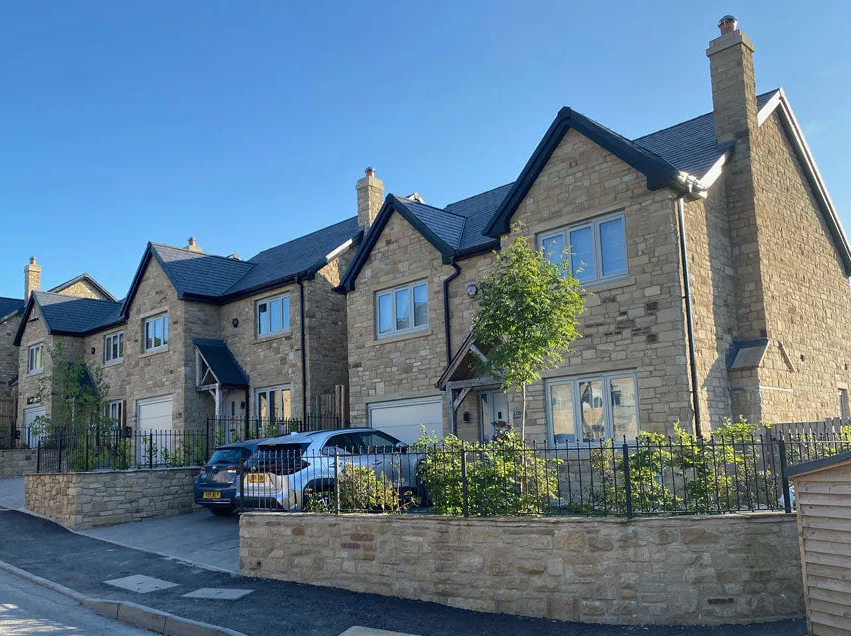
One of the most defining differences between stone cladding and render is the visual character they create. Stone cladding introduces a natural variation that gives depth and texture to a surface. Each piece of stone reflects subtle differences in tone, shape, and finish, resulting in a façade that feels layered and architecturally substantial.
This natural variation is particularly effective in both contemporary and traditional designs. In modern settings, stone cladding can be used to contrast clean lines and smooth surfaces, adding visual interest without overwhelming the overall scheme. In more traditional properties, it reinforces a sense of permanence and authenticity, particularly when reclaimed or irregular stone is used.
Render, by contrast, offers a more controlled and uniform finish. It is often specified to achieve a clean, minimalist appearance, particularly in modern housing developments or extensions. While render can be coloured or textured, it remains relatively flat in appearance and does not offer the same tactile quality as natural stone.
For projects where visual depth and material authenticity are key, stone cladding provides a level of expression that render cannot replicate.
Durability and Weather Resistance
Durability is one of the most important considerations when choosing an external finish, particularly in the UK climate where exposure to rain, temperature fluctuations, and environmental conditions can impact performance.

Natural stone has a long history of use in construction and is inherently resistant to weathering. When installed correctly, it maintains its structural integrity and appearance over time with minimal intervention. This makes it particularly suitable for exposed elevations and long-term applications where reliability is essential.
Render, while effective as a protective layer, is more susceptible to wear. Over time, it can develop cracks due to movement in the underlying structure, and it may be prone to staining or algae growth in damp conditions. While modern render systems have improved in performance, they still require ongoing maintenance to preserve their appearance.
This difference in durability often plays a key role in decision-making, particularly for projects where longevity is a priority.
Installation and Technical Considerations
The installation process for stone cladding and render differs not only in method but also in the level of detail required. Stone cladding is applied as a surface system, either in panel form or as individually placed pieces, and requires careful preparation of the substrate to ensure stability and adhesion.

As outlined in our guide on how to install stone cladding, factors such as alignment, joint consistency, and environmental conditions must all be carefully managed. For larger or more complex installations, additional elements such as mechanical fixing systems or ventilation gaps may also be required to meet structural or regulatory standards.
Render is typically applied directly to the wall in layers, creating a continuous surface that can be finished to the desired texture. This process is generally quicker and more straightforward, particularly for large-scale developments where efficiency is a key consideration.
While render offers advantages in terms of speed, stone cladding provides a more considered and durable solution when installation is carried out to a high standard.
Cost Considerations and Long-Term Value
Cost is often one of the first factors considered when comparing these two finishes. Render is generally the more economical option in terms of initial outlay, making it a popular choice for projects where budget constraints are a primary concern.
Stone cladding, as explored in our guide on stone cladding costs in the UK, represents a higher upfront investment. Material pricing varies depending on the type of stone, with options such as quartzite panels and reclaimed stone reflecting different levels of quality and character. Installation costs also tend to be higher due to the level of detail involved.
However, it is important to consider cost in the context of long-term value. Stone cladding’s durability and minimal maintenance requirements can offset its initial expense over time. Render, while cheaper initially, may incur additional costs through repairs, repainting, or resurfacing as it ages.
For many projects, the decision ultimately depends on whether the focus is on immediate cost savings or sustained performance and visual quality.
Maintenance and Lifecycle Performance
The ongoing maintenance requirements of a finish can significantly influence its overall value. Stone cladding typically requires very little upkeep, with occasional cleaning sufficient to maintain its appearance. Its natural composition means it is less prone to visible wear and can age in a way that enhances its character.

Render, on the other hand, may require more regular attention. Environmental factors such as moisture and pollution can affect its appearance, leading to discolouration or biological growth over time. Periodic repainting or repair work is often necessary to maintain a consistent finish.
This difference in lifecycle performance is an important consideration, particularly for homeowners looking to minimise long-term maintenance commitments.
Suitability for Different Project Types
The choice between stone cladding and render is often influenced by the nature of the project itself. Render is commonly used in new-build developments, extensions, and modern designs where a clean and consistent finish is required. It can be an effective solution where simplicity and efficiency are priorities.
Stone cladding is typically specified where a more distinctive and enduring result is desired. It is well suited to feature walls, full façades, and garden structures, offering a level of visual impact that enhances both contemporary and traditional designs.
Exploring a dedicated stone cladding collection can provide a clearer understanding of how different stone options align with specific project requirements and design intentions.
Integrating Stone Cladding Within a Wider Design Scheme
In many cases, the decision is not strictly between stone cladding and render, but how the two can be used together within a single project. Combining materials allows for a balance between texture and simplicity, with stone used to highlight key areas and render applied to larger surfaces.
This approach can be particularly effective in modern architecture, where contrasting materials are used to define different elements of a building. For example, a rendered façade can be complemented by a stone-clad feature wall or entrance, creating a focal point without overwhelming the design.
Understanding how materials interact within a broader scheme allows for more creative and effective use of both finishes.
Final Thoughts
Stone cladding and render each offer distinct advantages, and the right choice depends on the priorities of the project. Render provides a clean, efficient, and cost-effective solution, particularly for large-scale or contemporary builds.
Stone cladding, however, offers a level of depth, durability, and architectural presence that is difficult to replicate. Its natural variation and long-term performance make it a strong choice for projects where quality and longevity are central considerations.
By understanding the differences between these materials and how they perform over time, it becomes possible to select a finish that aligns with both the design vision and practical requirements. With the right approach and guidance from a specialist supplier such as Britannia Stone Company, stone cladding can deliver a result that is both visually striking and built to last.
(BSC-B-043)
