
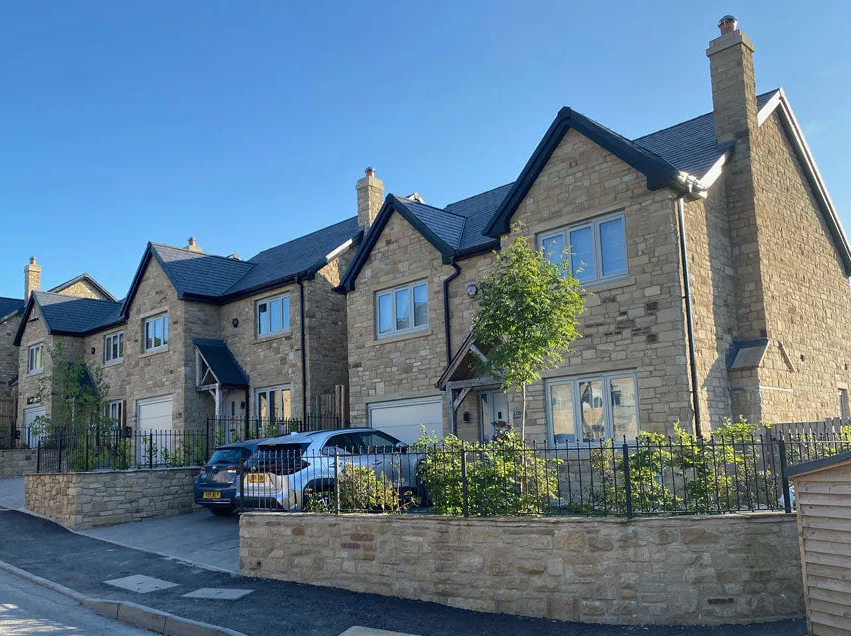

Understanding the Different Types of Stone Cladding Available
Stone cladding offers a versatile and visually distinctive way to enhance both interior and exterior spaces, but not all stone cladding is the same. The type of material selected will influence not only the appearance of the finished surface, but also how it performs over time and how it is installed.
For homeowners, designers, and developers, understanding the differences between stone types is an essential part of the specification process. From contemporary split-face panels to characterful reclaimed materials, each option brings its own qualities and considerations.
Drawing on material expertise and current product ranges from Britannia Stone Company, this guide explores the most common types of stone cladding used across UK projects and how to choose the right one.
Quartzite Stone Cladding: Contemporary and Durable
Quartzite is one of the most popular choices for modern stone cladding projects, particularly where a clean, textured finish is required. Formed through natural geological processes, it offers a high level of durability alongside a distinctive surface that reflects light and variation.
Often supplied in panel formats, including interlocking systems, quartzite cladding is well suited to both interior feature walls and exterior façades. Its structured appearance works particularly well in contemporary settings, where consistency and sharp lines are part of the overall design.
In addition to its visual appeal, quartzite is known for its resistance to weathering, making it a reliable option for external applications where long-term performance is a priority.
Quartzite is also frequently chosen for projects where a balance between durability and visual impact is required. Its naturally layered structure creates shadow and depth across the surface, making it particularly effective when used under directional lighting. For both interior feature walls and external elevations, this type of stone offers a consistent yet visually engaging finish that works well across modern UK properties.
Limestone Cladding: Subtle and Refined
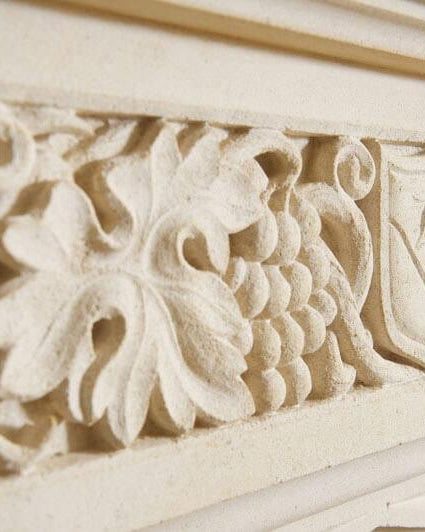
Limestone offers a softer, more uniform appearance compared to quartzite, making it a strong choice for projects that require a more understated finish. Its natural tones tend to sit within a neutral palette, allowing it to complement a wide range of architectural styles.
This type of stone is often used in both traditional and modern builds, providing a balance between texture and refinement. While it may not have the same pronounced surface variation as split-face materials, its consistency can be an advantage where a cleaner aesthetic is preferred.
Limestone cladding is typically easier to shape and work with during installation, although it still requires careful handling to achieve a high-quality finish.
In addition to its visual softness, limestone is often specified for projects where a more uniform architectural finish is required. Its ability to sit comfortably alongside other materials, such as timber or glass, makes it a versatile option in both residential and commercial settings. This adaptability allows it to bridge traditional and contemporary design styles without overpowering the overall scheme.
Sandstone Cladding: Versatile and Traditional
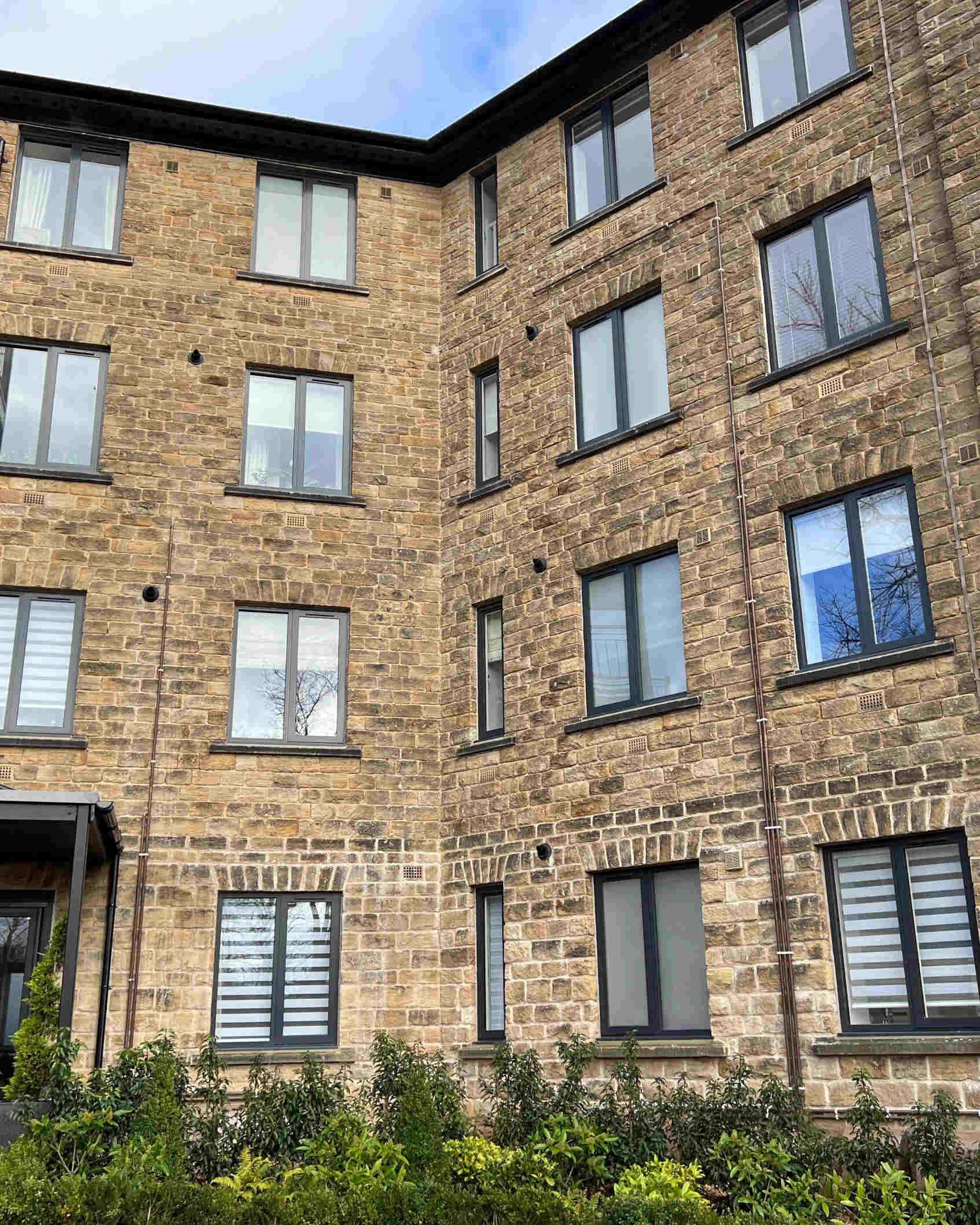
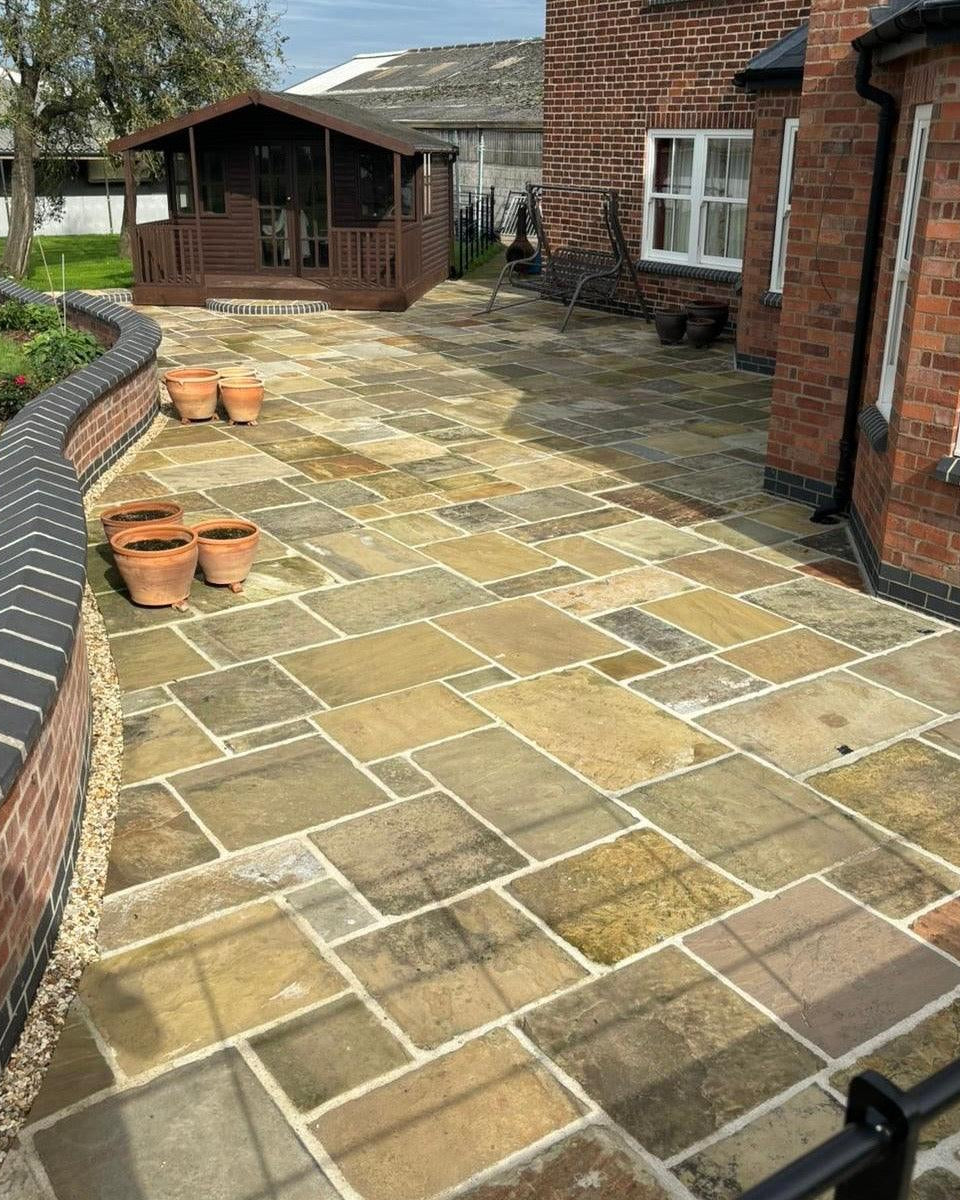
Sandstone remains a widely used material in UK construction, valued for its warm tones and versatility. It can be cut and finished in a variety of ways, allowing it to be adapted to different styles, from rustic garden walls to more formal architectural features.
Its natural variation adds character without being overly dominant, making it suitable for projects where a balance between traditional and contemporary design is required. Sandstone is also commonly used in landscaping applications, where it can tie together walls, steps, and paving elements within a single scheme.
As with all natural materials, the specific characteristics of sandstone will vary depending on its source, which can influence both appearance and cost.
Sandstone’s versatility extends beyond walling applications, making it a popular choice for integrated landscaping schemes. Where continuity is important, it can be used alongside steps, coping stones, or paving to create a cohesive outdoor environment. This makes it particularly effective in garden projects where both structure and flow are key design considerations.
Reclaimed Stone Cladding: Character and Authenticity
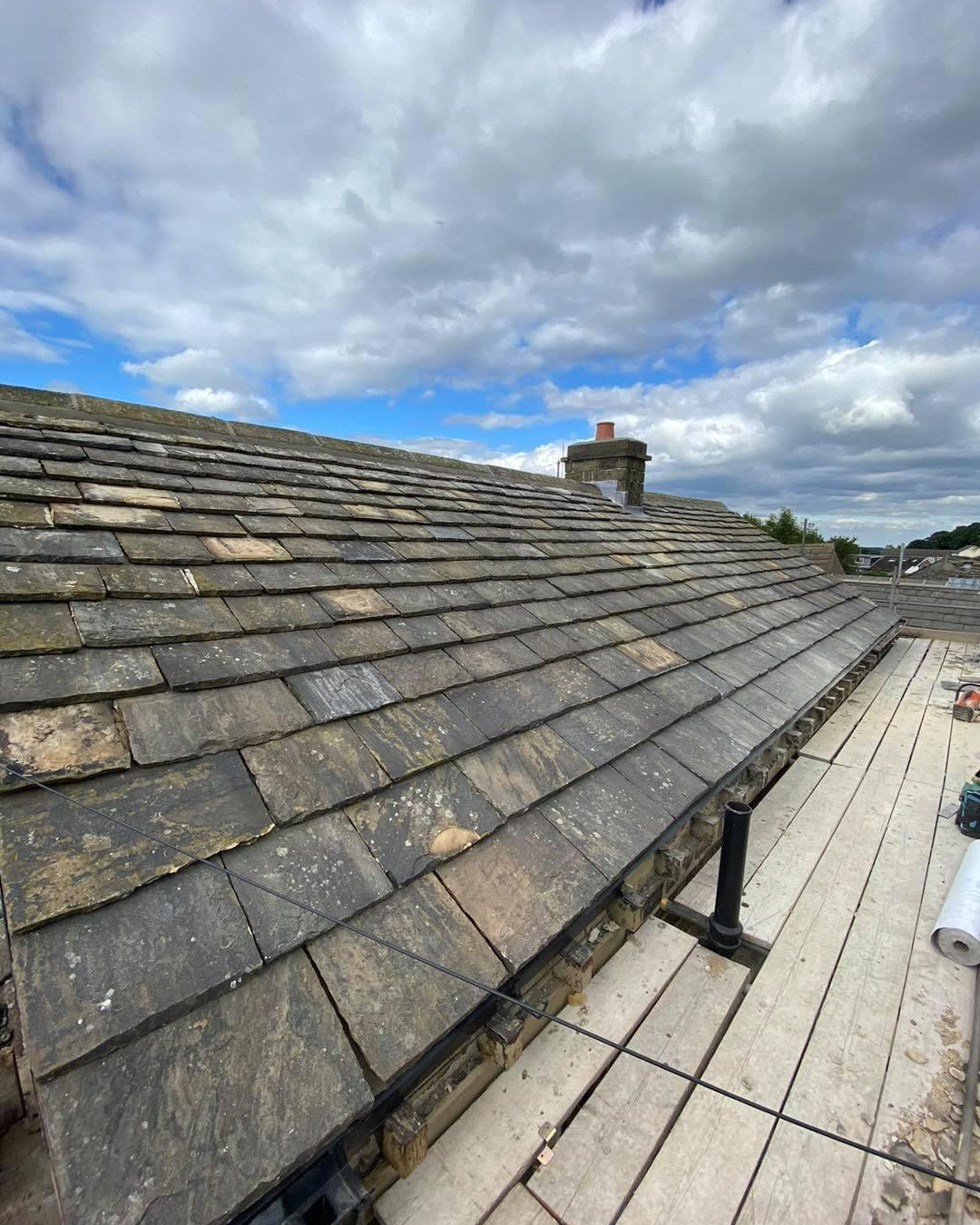
Reclaimed stone occupies a unique position within the range of cladding materials. Sourced from existing structures, it carries the marks of its previous use, including weathering, variation, and irregularity. This gives it a level of authenticity that is difficult to achieve with newly quarried stone.
For heritage projects or designs that aim to replicate traditional construction methods, reclaimed stone offers a depth of character that stands apart. Each piece is effectively one of a kind, contributing to a finish that feels organic and established.
However, this individuality also means that installation can be more complex, requiring careful selection and placement to achieve a cohesive result.
The use of reclaimed stone also introduces a sustainability element, as materials are repurposed rather than newly quarried. For projects with an environmental focus, this can be an important consideration alongside the aesthetic benefits. The resulting finish not only reflects traditional construction methods but also contributes to a more responsible approach to material sourcing.
Panel Systems vs Individual Stone Pieces
In addition to the type of stone, the format in which it is supplied plays a significant role in both appearance and installation. Panel systems, such as Z-panels, group multiple pieces of stone into a single unit, allowing for faster and more consistent installation. These are particularly useful for projects where time efficiency is important.
Individually laid stone, on the other hand, offers greater flexibility in terms of layout and variation. This approach is often used for reclaimed materials or where a more bespoke finish is required. While it can be more time-consuming, it allows for a higher level of control over the final appearance.
Understanding the difference between these formats is key when planning a project, as it affects both the visual outcome and the overall cost.
Choosing the Right Stone Cladding for Your Project
Selecting the right type of stone cladding involves balancing several factors, including design intent, budget, and application. A contemporary interior feature wall may benefit from the clean lines of quartzite panels, while a traditional exterior could be better suited to reclaimed stone or sandstone.
Exploring a dedicated stone cladding collection can help clarify how different materials compare in terms of appearance and suitability. Seeing the options available makes it easier to align your choice with the overall direction of the project.
It is also worth considering how the chosen material will interact with other elements, such as lighting, surrounding finishes, and architectural features. Stone cladding does not exist in isolation, and its impact is often defined by how it integrates into the wider design.
How Stone Type Influences Cost and Installation
Different types of stone cladding can vary significantly in terms of both cost and installation requirements. More structured panel systems may reduce labour time, while reclaimed or irregular stone can increase it due to the level of detail involved.
For a more detailed breakdown of pricing, including how material choice affects overall cost, see our guide on stone cladding costs in the UK. Similarly, installation methods vary depending on the format and material, as outlined in our article on how to install stone cladding.
Understanding these relationships early in the process allows for more accurate planning and helps avoid unexpected costs during the build.
When selecting between these different types, it is important to consider not only the immediate visual outcome but also how the material will perform over time. Factors such as exposure to weather, maintenance expectations, and the surrounding architectural context all play a role in determining the most suitable option. Taking a considered approach at this stage helps ensure that the finished result aligns with both practical requirements and long-term design intent.
Final Thoughts

Stone cladding offers a wide range of possibilities, from sleek contemporary finishes to richly textured traditional surfaces. By understanding the differences between materials such as quartzite, limestone, sandstone, and reclaimed stone, it becomes easier to select an option that aligns with both the design vision and practical requirements of a project.
Each type of stone brings its own strengths, and the right choice will depend on how those characteristics are applied. With careful consideration and guidance from a specialist supplier such as Britannia Stone Company, stone cladding can deliver a result that is both visually striking and built to last.
(BSC-B-041)
